This is a contributed post.
With the Brexit vote, what Brexiters expected was to reduce the wave of immigrants coming to the UK, whether they are from the EU or elsewhere.
The ultimate purpose behind the vote – whether you agree or not with it – was, for Brexit supporters, to ensure that the available resources can be distributed to the British population first. However, it’s not exactly how it worked out in real life.
For a start, the claim that the NHS would be better off once Britain is out of the EU has been rejected only a few hours after the final results of the referendum were displayed. However, what the public wasn’t counting on was that the referendum would scare off EU citizens in the UK who are working for the NHS. Consequently, the NHS is currently going through a crisis worse than anything else it has experienced before.
Service companies and the education sector have already shown signs of troubles when the EU staff decided to quit their functions with no possibility of replacement available. But, Brexiters continue to believe that it is for the best as with every EU citizen who leaves the UK, there are more opportunities for the British population, the truth looks quite different.
In fact, there has been a phenomenon of Brexodus since the Brexit vote, but those who are leaving the country in vast numbers are not EU citizens but Britons.
Indeed, fervent Remainers have chosen to settle in an EU country instead of staying in the UK once it’s left the trading bloc. There is a variety of reasons for this, and if you are wondering about planning your Brexodus move, here are a few tips to get you going in the right direction.
Moving abroad can be stressful, but with guidance you can, hopefully, make it a smooth and successful move.

Why now?
The most important part of the Brexit negotiations, at the moment, is to define a Brexit date.
While this is set to be in March 2019, there is no denying that if the UK demands an extended exit phase, it’s likely that the EU will expect the UK to continue to behave as a country member of the international trade and free movement agreement for the duration of the extended period.
Nevertheless, many Brits, according to the French newspaper, The Local, have already chosen to move to France before the end of the transition period. In fact, several EU countries, including Germany, Spain, Italy and Sweden have noted an increase in British migration.
The idea behind this movement of several thousand individuals – from singletons to families – is that you have the right to stay in an EU country, as a British citizen if you’ve settled before the end of the Brexit transition period. For now, the date is still set for March 2019. However, there are discussions that seem to indicate that this might be postponed until further notice.
In other words, now is the best time to change life and pick the best EU country for your needs and aspirations. France, for many, offers a high work-life balance and a cultural and artistic way of life that might not be easy to find in the UK, according to Britons who have moved there. However, there are 26 other countries for you to choose from!
The cost of keeping my EU passport
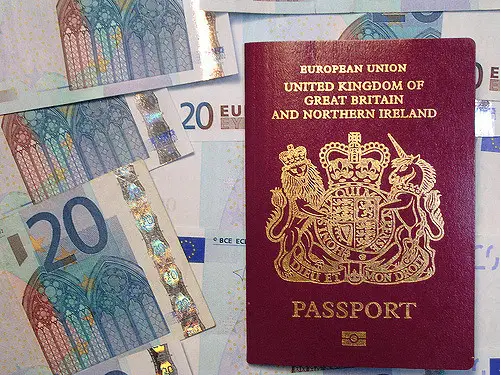
For Remainers, losing their passport is not just an administrative transformation. It’s an obstacle in the international life and career they wanted to establish. As a result, many have been looking at ways to maintain their EU citizenship.
For many, an Irish ancestor – parent or grandparent – is enough to apply for the Irish citizenship. Needless to say, the Republic of Ireland has measured peaks in citizenship applications since the referendum. However, if you don’t have any Irish ancestry in your family, you might need to find other ways to remain within the EU.
If you’re married to an EU citizen, you might be able to apply for naturalisation, assuming that you can demonstrate a knowledge of their language. In most cases, you will need to have lived lawfully in the EU country for a number of years. However, there are exceptions, such as in France, where if you’ve been married to a French citizen and lived together abroad, you can apply for naturalisation assuming you can demonstrate knowledge and understanding of the language and French culture.
Ultimately, keeping an EU passport is a long-term project if you’re only starting now! But gaining lawful residency is the first step to achieving your goals.
Are all business skills transferable?
If you’re planning to move abroad and need to quit your job to do so, the first question you’ll have to address before making your decision is whether you have business skills that are transferable.
You’ll be pleased to know that you can get your academic degrees and qualifications recognised by the EU frame of education before the end of the transitional period. It is likely that for degrees obtained before the Brexit date, the transfer of competences will still be accepted by other EU countries, but there is currently no indication of it. Getting your academic qualification recognised can make it easier to improve your employability and CV for the EU market, as you can validate learning on an international basis.
Business experience, as it happens, may not require additional recognition, as most employers are happy to read about your achievements abroad. Additionally, you can bring your English language skills onboard, which will make you a valuable candidate for international roles.
Freelancers, in comparison, have the ability to start an independent business anywhere, such as monetising their blogs for instance. Indeed, ensuring quality content and high SEO rankings can attract visitors to your site. Ultimately, this is the key to join an affiliate network that allows you to publish paid advertising to your readers.
Moving abroad isn’t cheap
You might have moved house in the past, but moving abroad is a different kettle of fish. You will encounter transportation costs that are new. Indeed, your belongings will need to cover a large distance to reach your new location, so, it’s essential to plan accordingly to choose the safest and cost-friendliest solution.
If you don’t have any accommodation abroad at the time of planning, you can ask the moving company to get you in touch with a storage provider for the time being. As you need to plan for long distance travels, you will need to pack accordingly, which implies the purchase of professional moving boxes and protective wrapping layers too. But once the move is behind you, you need to face new costs that you may not be familiar with, such as managing British assets from abroad if you’ve decided to let your UK home.
You might find that you need professional investment and financing info for UK expats to ensure that you keep things smooth and legal. Indeed, a lot of expats struggle with debt issues that they could have avoided with proper financial information.
Dealing with your taxes and insurances
What happens to your taxes when, as a Briton, you work and live abroad? For a lot of people, the idea of working abroad means that they don’t have to pay taxes in the UK. While this is true, being a British citizen doesn’t mean you’re exempted from paying taxes in the country you’ve settled in.
When you work abroad, you have to pay taxes abroad. However, if you continue to receive revenues from the UK, such as the rents from your tenants if you put your house on the letting market, you also need to declare this revenue in your British tax return. Ultimately, if the tax return is over £10,000 you will also to pay taxes in the UK too.
Additionally, there’s another essential cost that a lot of British citizens in the Eu will soon have to deal with, and it’s your healthcare. Currently, British expats who have lived in France for 5 years or more have been able to join a French healthcare system. For anyone who’s lived less than 5 years abroad, the NHS has provided the necessary cover and insurances have settled the account at an EU level. Post Brexit, you’ll be likely to have to pay for your healthcare until you can join the local system.
Can I integrate easily?
Moving abroad makes it more difficult to integrate into a new neighbourhood, especially if, like most Britons, you don’t know the language. Some countries can help you to integrate by providing language courses so that you can learn enough to get by in a foreign country.
Ultimately, the ability to speak English might lose its appeal once the UK leaves the EU, as it’s not one of the preferred business languages. The top 5 foreign languages demanded by businesses in the EU are French, German, Spanish, Mandarin Chinese and Polish. Ultimately, the importance of English is decreasing when it comes to establishing new trading agreements with non-English speaking partners.

The bottom line is that planning your Brexodus demands not only a lot of preparation, but also the ability to adapt to a new environment quickly and effectively. The successful move abroad is determined by both your financial resourcefulness but also your linguistic and cultural know-how. If you’ve got nothing to offer foreign companies, they won’t be interested in supporting your EU aspirations.